Outdoor Education Classes Centered Around Women
Welcome to the Sisterhood.
Meet us in the woods.
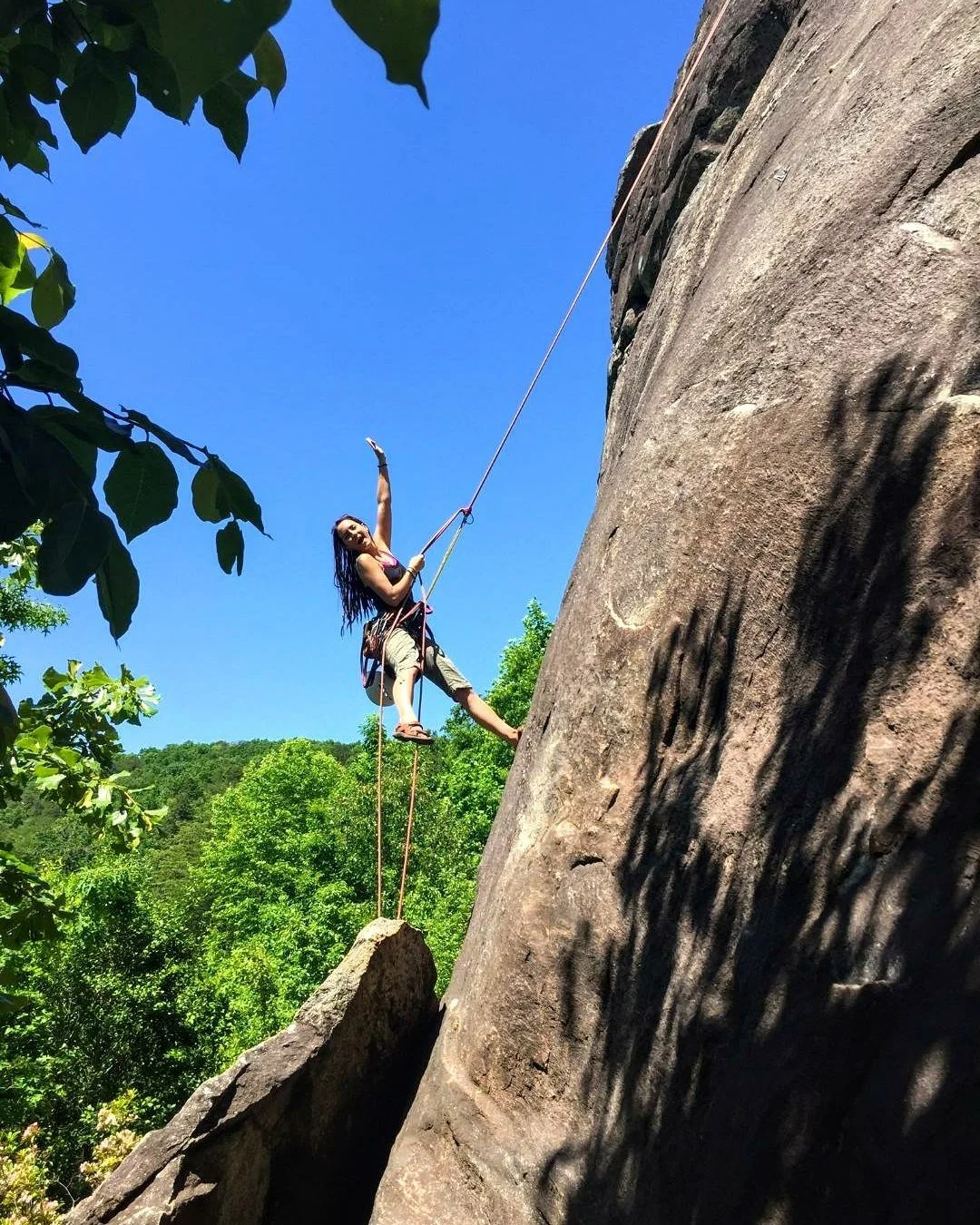
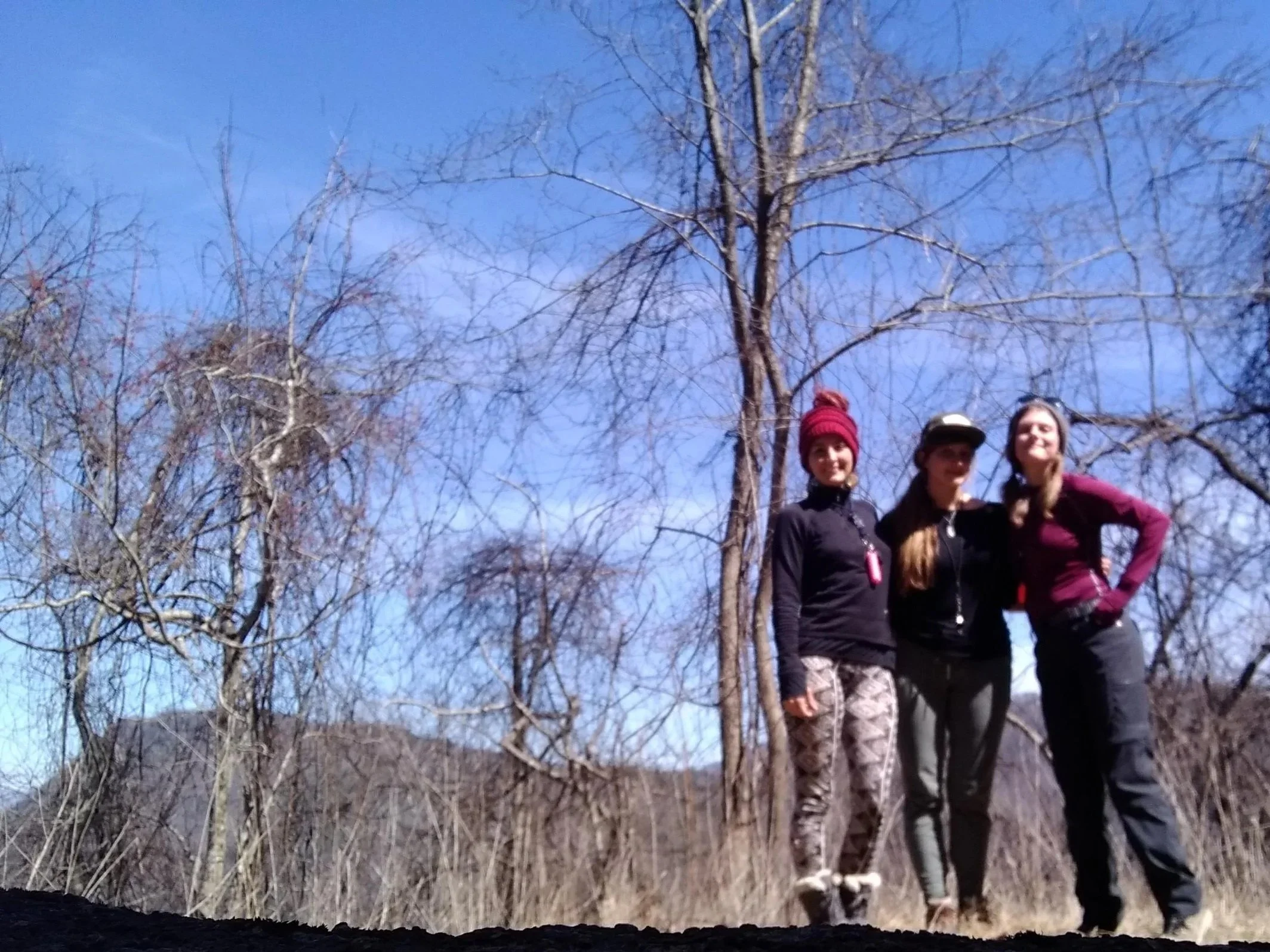
At the heart of our mission is creating a supportive and safe environment for women to build confidence in outdoor adventure. We offer experiences such as backpacking and flatwater paddling, along with women-only homesteading classes focused on self-sufficiency skills like growing food and herbs, making herbal medicine, preserving harvests, plant identification, and more.
Sign up for our newsletter to stay up to date on 2026 offerings, such as women’s homesteading skills course, day trips, plant walks, and more.
“She sat at the back and they said she was shy,
She led from the front and they hated her pride,
They asked her advice and then questioned her guidance,
They branded her loud, then were shocked by her silence,
When she shared no ambition they said it was sad,
So she told them her dreams and they said she was mad,
They told her they'd listen, then covered their ears,
And gave her a hug while they laughed at her fears,
And she listened to all of it thinking she should,
Be the girl they told her to be best as she could,
But one day she asked what was best for herself,
Instead of trying to please everyone else,
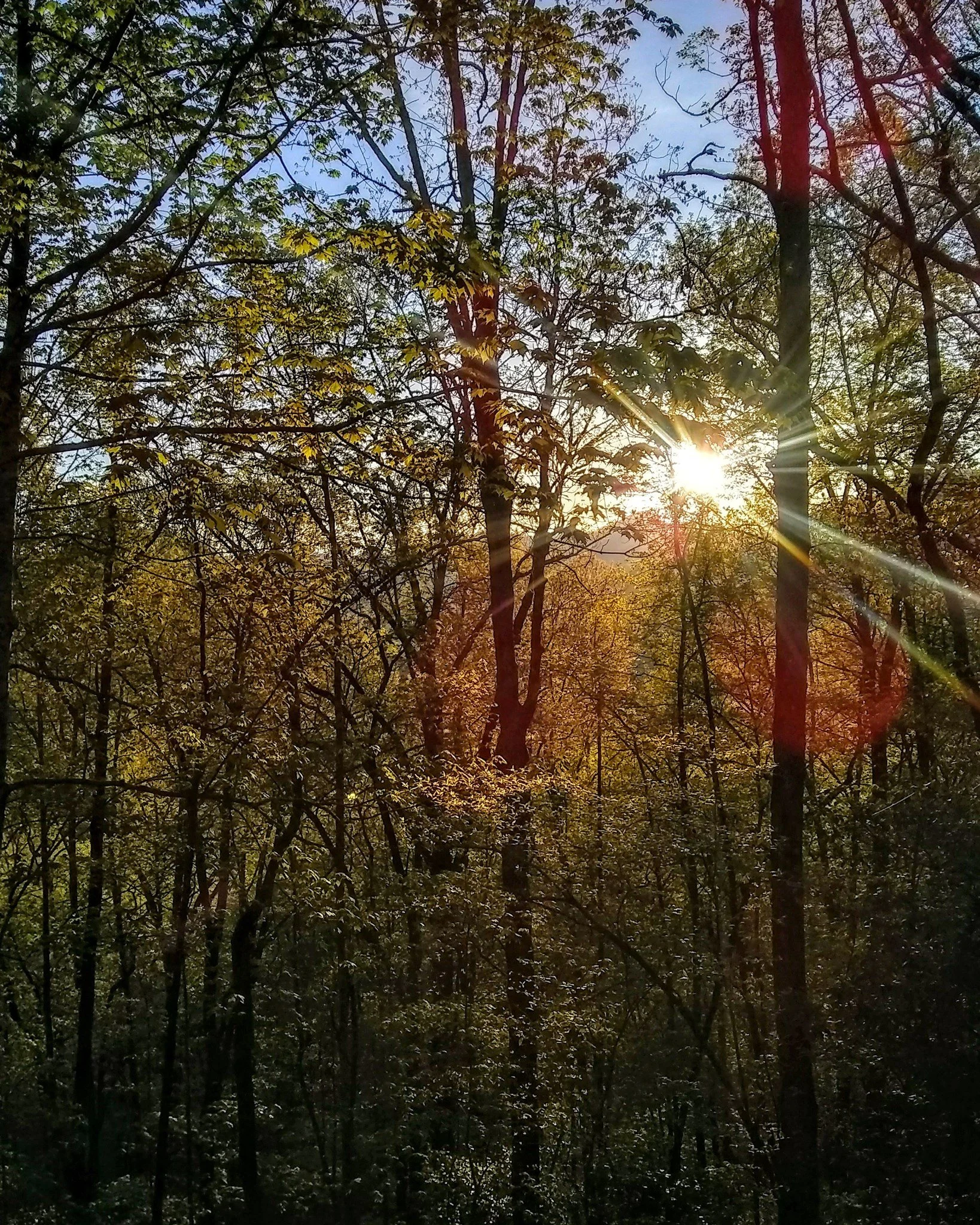
So she walked to the forest and stood with the trees,
She heard the wind whisper and dance with the leaves,
She spoke to the willow, the elm and the pine,
And she told them what she'd been told time after time,
She told them she felt she was never enough,
She was either too little or far far too much,
Too loud or too quiet, too fierce or too weak,
Too wise or too foolish, too bold or too meek,
Then she found a small clearing surrounded by firs,
And she stopped...and she heard what the trees said to her,
And she sat there for hours not wanting to leave,
For the forest said nothing, it just let her breathe.
— Becky Hemsley
Why Women in the Outdoors Matters
For centuries, women had to fight for the simple right to step outside — to climb, to paddle, to hike, to labor, to lead. The outdoors wasn’t always open to us, yet women have continually pushed boundaries and reshaped what is possible.
As industrialization reshaped society in the 19th century, wilderness became framed as a proving ground for men; a place of conquest and rugged masculinity. Women were told our bodies were too fragile. Our presence too disruptive. Our ambitions too improper.
And still, we went.
In the 1890s, the bicycle became a symbol of women’s liberation - despite critics warning it was dangerous or immoral. Women rode anyway, wearing divided skirts or “rational dress,” claiming independence and mobility.
In 1901, Fanny Bullock Workman climbed in the Himalayas, mapping peaks while challenging a world that dismissed women’s capability in science and exploration.
Mountaineers like Annie Smith Peck rejected restrictive skirts and climbed in trousers, sparking public controversy but choosing strength over approval.
During World War I and World War II, women stepped into forestry crews, farms, and field labor - doing physically demanding outdoor work society insisted they could not handle. They drove trucks, cut timber, and maintained farms while men were away at war.
In 1926, Gertrude Ederle swam the English Channel and beat the fastest men’s time by nearly two hours, proving endurance and courage were not gendered.
In the 1930s, women began joining organized outdoor clubs like the Appalachian Mountain Club and the Sierra Club - but often in separate women’s sections, excluded from leadership and backcountry decision-making.
In 1960, Arlene Blum and her all-women team attempted high-altitude ascents, confronting skepticism and denied funding simply for being female.
In 1972, Title IX opened doors for girls and women to access sports, outdoor education, and athletic opportunity on a scale never seen before.
In 1975, Junko Tabei became the first woman to summit Mount Everest after being told repeatedly that women did not belong in high-altitude mountaineering.
In the 1980s and 1990s, women led the push for representation in extreme sports like rock climbing, kayaking, and long-distance running, often facing sponsorship inequity, media dismissal, and sexist criticism.
Every step of the way, women have had to challenge clothing, culture, funding, leadership barriers, and access itself - simply to claim space in wild places.
This history matters.
Because the outdoors is not just recreation. It is empowerment. It is resilience. It is confidence. It is remembering that strength is not masculine - it is human. Through outdoor adventures, women are claiming their rightful place in wild spaces.
At Forest Cradle, we honor the women who carved paths before us - often without recognition - by continuing that lineage. Our women-only programs are intentionally designed spaces of safety, skill-building, community, and growth.
When women gather outside, mountains shift.
Come join us.
Let’s continue the story of women claiming their space in the outdoors.
Meet Your Outdoor Education Specialist
Alisha Blair is an outdoor educator and program leader with nearly a decade of experience guiding groups through the wilderness. She graduated cum laude from a nationally recognized Outdoor Leadership program, one of only two Outdoor Leadership degrees in the United States and the only one offered in North Carolina. The program’s director—her mentor and teacher—was honored as a Mountain Legend at Lees-McRae College, a testament to the program’s excellence and legacy.
Alisha is highly skilled in flatwater paddling on multi-day trips, extended group backpacking expeditions, challenge course facilitation, traditional skills, among others. She has worked as a Wilderness Therapy Guide, Head Adventure Leader for a nonprofit youth program serving teens, and as a trip leader for a variety of outdoor organizations.
Certifications:
Wilderness First Responder
Leave No Trace Trainer
Now, Alisha is bringing her experience and passion together to create her own programs, designed to help others build confidence, resilience, and leadership in the outdoors.